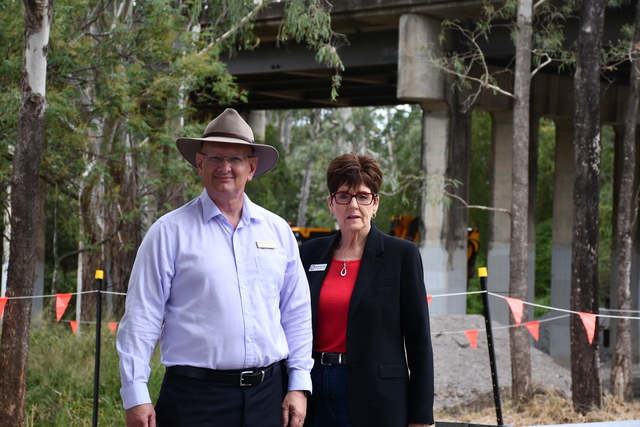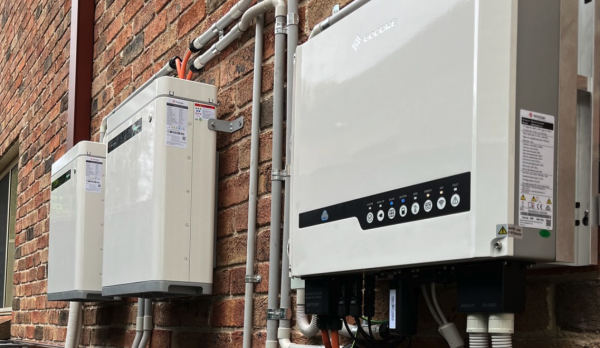
SOLAR installer Alan Kemp says federal rebate delays are threatening the survival of small and medium-sized businesses in the industry.
Mr Kemp, of Queensland Solar and Lighting, who works across Ipswich, Brisbane, the Sunshine Coast and Gold Coast, said he has been waiting since July for payments tied to battery sales.
“I’ve got, like, no money. We had to stop selling to stay afloat,” he told the Ipswich Tribune.
He estimated he is owed around $150,000 and is carrying the cost on credit cards.
He said the rebate process, which is based on Small-scale Technology Certificates (STCs) – a government program designed to help offset the costs of solar installations – was unreliable.
“You put in the stock, take pictures of the installs, lodge it with a broker, and then you’re meant to get paid. With solar panels, you can get paid in a week. With batteries, 95 percent of installers I know have nothing,” Mr Kemp said.
He explained that installers were paying for equipment months before delivery, while rebate payments remained outstanding.
“We’re getting smoked from both ends. You get shafted on stock, then you’re owed money for what’s already installed,” he said.
The financial pressure has forced him to limit his work to existing customers.
“Half my friends have checked out. We’re only selling to people we’ve worked with before. Some people have gone on holidays, hoping the rebate will catch up, because we just can’t sell anymore,” he said.
His living arrangements have also changed. Mr Kemp said he would have to move back in with his parents because he could no longer afford to rent.
Other installers have echoed his concerns.
Scott Leaver of Greenbank Energy said his company had halted work for a month after rebate delays tied up hundreds of thousands of dollars.
“For July, a quarter of a million dollars in rebates were held up, and that’s hard for a small business owner,” Mr Leaver said.
“We actually didn’t work in August, because I wasn’t going to put myself in the hole for another quarter million dollars.”
He added that the stop-start nature of payments had crippled cash flow. “One job was $16,000 in rebates. That’s not $16,000 in profit. We’re financing the customers on the solar now, until we get paid.”
In response, the Clean Energy Regulator (CER) said payment delays were a contractual matter between installers and their retailers or agents.
“While we empathise with installers who might be experiencing difficulty in receiving payments for solar battery installations, the CER’s role is limited to receiving and processing STC claims,” a spokesperson said.
The CER noted that it had warned processing times could be longer after the Cheaper Home Batteries Program launched on July 1, 2025, but insisted that applications were still being processed within agreed timeframes.